
Let's talk about Cheese. First, its prevalence—Cheese is a ingredient, included in less than 1% of dog food formulas. Cheese is a dairy product made from the curdled milk of cows, goats, sheep, or other mammals. In dog food, cheese is used primarily for its flavor and palatability, which can enhance the taste of the food and make it more appealing to dogs. Additionally, cheese contains proteins, fats, and various vitamins and minerals, contributing to the overall nutrient profile of the dog food.Let's talk about Cheese. First, its prevalence—Cheese is a ingredient, included in less than 1% of dog food formulas. Cheese is a dairy product made from the curdled milk of cows, goats, sheep, or other mammals. In dog food, cheese is used primarily for its flavor and palatability, which can enhance the taste of the food and make it more appealing to dogs. Additionally, cheese contains proteins, fats, and various vitamins and minerals, contributing to the overall nutrient profile of the dog food.Read More
Is Cheese safe for dogs?
Benefits: None
Issues: Cheese is high in fat and can lead to obesity and digestive issues in dogs.
Warnings: Cheese can also cause lactose intolerance and allergic reactions in some dogs. It should be given in moderation and under the guidance of a veterinarian.
Can Dogs Eat Raw Cheese?
Dogs can eat cheese in moderation, and this includes raw cheeses, provided they do not have lactose intolerance or any specific allergies to dairy. Cheese can be a source of protein and calcium, but it should be fed judiciously, as it can be high in fat and calories, potentially contributing to weight gain or gastrointestinal upset if consumed in excess. Additionally, it is essential to ensure that the cheese does not contain harmful additives, such as garlic or onions, which are toxic to dogs. While cheese is not typically included in a raw diet plan, it can be offered occasionally as a treat. As with any change in a dog's diet, it is always best to introduce cheese gradually and consult with a veterinarian, especially when considering any dietary changes or introducing new food items to ensure it aligns well with the dog's overall nutritional needs and health status.Dogs can eat cheese in moderation, and this includes raw cheeses, provided they do not have lactose intolerance or any specific allergies to dairy. Cheese can be a source of protein and calcium, but it should be fed judiciously, as it can be high in fat and calories, potentially contributing to weight gain or gastrointestinal upset if consumed in excess. Additionally, it is essential to ensure that the cheese does not contain harmful additives, such as garlic or onions, which are toxic to dogs. While cheese is not typically included in a raw diet plan, it can be offered occasionally as a treat. As with any change in a dog's diet, it is always best to introduce cheese gradually and consult with a veterinarian, especially when considering any dietary changes or introducing new food items to ensure it aligns well with the dog's overall nutritional needs and health status.Read More
shop raw dog foodshop raw dog foodCheese Health Benefits
Does Cheese have any major health benefits?Hip & Joint
Weight & Digestion
Constipation
Anxiety & Calming
Skin & Coat
Top Dog Food without Cheese
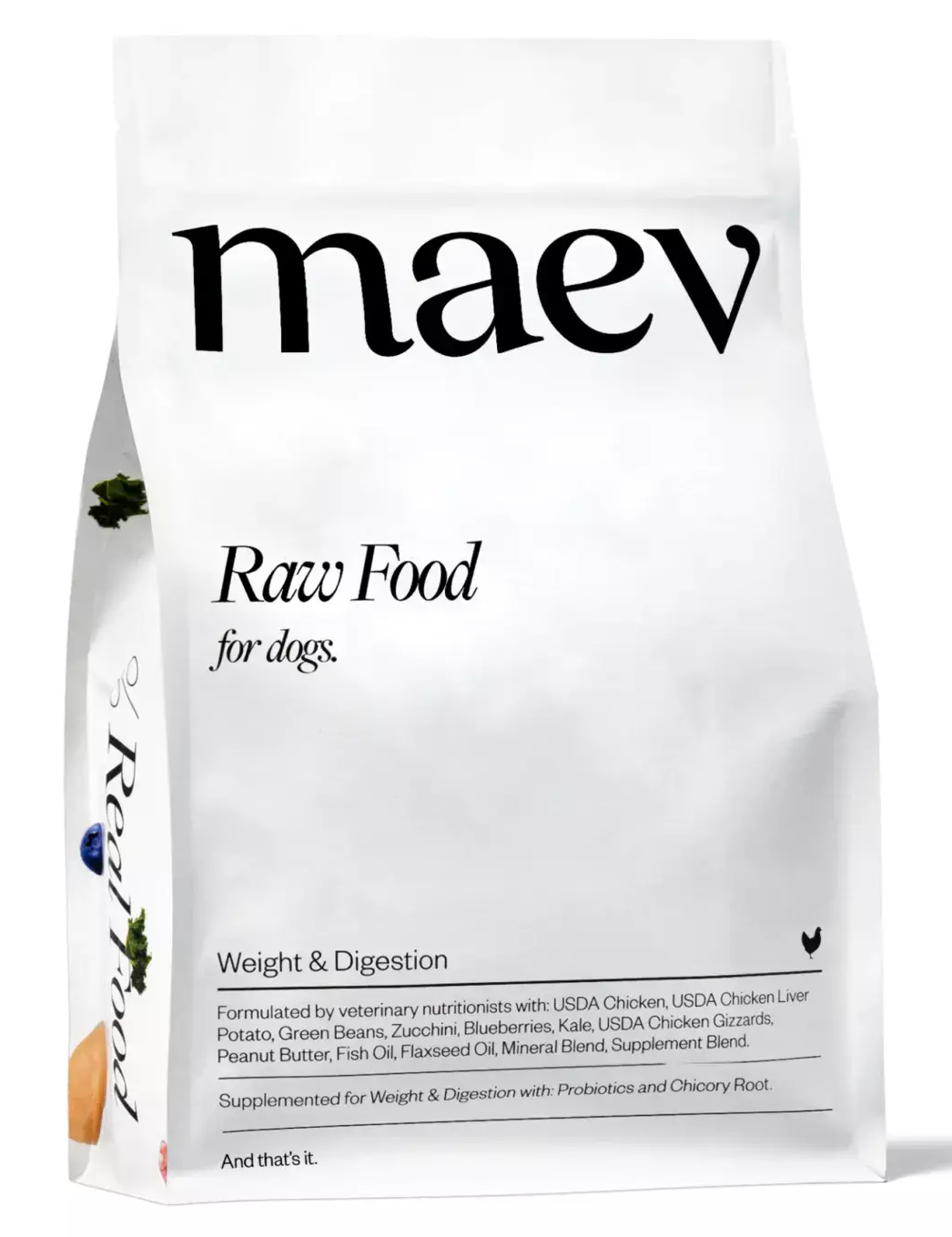
Maev Whole Ingredient Food
1849 reviews
|View All Dog Food without Cheese
Other Dog Foods with Cheese
Load More
Check if your dog food has Cheese in it.
Dog Food Brands that use Cheese
Load More
Explore Other Ingredients:
Maev Whole Ingredient Food
No Additives, No Preservatives, 100% Human Grade.
