
Let's talk about Lamb Bone. First, its prevalence—Lamb Bone is a ingredient, included in less than 1% of dog food formulas. Lamb bone, when included in dog food, refers to the bone derived from lamb. It is primarily used as a source of minerals, such as calcium and phosphorus, which are essential for various bodily functions in dogs. Additionally, lamb bone can contribute to the texture and palatability of the dog food, providing a crunchy element that some dogs find enjoyable. It may be included in different forms, such as ground bone meal or as part of whole bone pieces, depending on the specific dog food formulation.Let's talk about Lamb Bone. First, its prevalence—Lamb Bone is a ingredient, included in less than 1% of dog food formulas. Lamb bone, when included in dog food, refers to the bone derived from lamb. It is primarily used as a source of minerals, such as calcium and phosphorus, which are essential for various bodily functions in dogs. Additionally, lamb bone can contribute to the texture and palatability of the dog food, providing a crunchy element that some dogs find enjoyable. It may be included in different forms, such as ground bone meal or as part of whole bone pieces, depending on the specific dog food formulation.Read More
Is Lamb Bone safe for dogs?
Benefits: None
Issues: Lamb bones can splinter and cause choking, blockages, or punctures in a dog's digestive system. They can also lead to dental fractures or damage.
Warnings: None.
Can Dogs Eat Raw Lamb Bone?
Dogs can safely chew on raw lamb bones when certain precautions are observed. Raw bones are generally considered safer than cooked bones since cooking makes bones harder and more likely to splinter, increasing the risk of internal injury. Raw bones retain moisture and are softer, allowing dogs to chew and digest them more easily. However, while raw lamb bones can provide dental benefits and are a good source of nutrients like calcium, there are some risks associated with their consumption. Dogs should always be supervised to prevent choking hazards, and bones should be appropriately sized for the dog. Additionally, there are risks related to bacterial contamination typical with raw foods, such as salmonella or E. coli, which can cause illness in both dogs and humans. To mitigate these risks, bones should be fresh and sourced from reputable suppliers who maintain hygiene standards.Dogs can safely chew on raw lamb bones when certain precautions are observed. Raw bones are generally considered safer than cooked bones since cooking makes bones harder and more likely to splinter, increasing the risk of internal injury. Raw bones retain moisture and are softer, allowing dogs to chew and digest them more easily. However, while raw lamb bones can provide dental benefits and are a good source of nutrients like calcium, there are some risks associated with their consumption. Dogs should always be supervised to prevent choking hazards, and bones should be appropriately sized for the dog. Additionally, there are risks related to bacterial contamination typical with raw foods, such as salmonella or E. coli, which can cause illness in both dogs and humans. To mitigate these risks, bones should be fresh and sourced from reputable suppliers who maintain hygiene standards.Read More
shop raw dog foodshop raw dog foodLamb Bone Health Benefits
Does Lamb Bone have any major health benefits?Hip & Joint
Weight & Digestion
Constipation
Anxiety & Calming
Skin & Coat
Top Dog Food without Lamb Bone
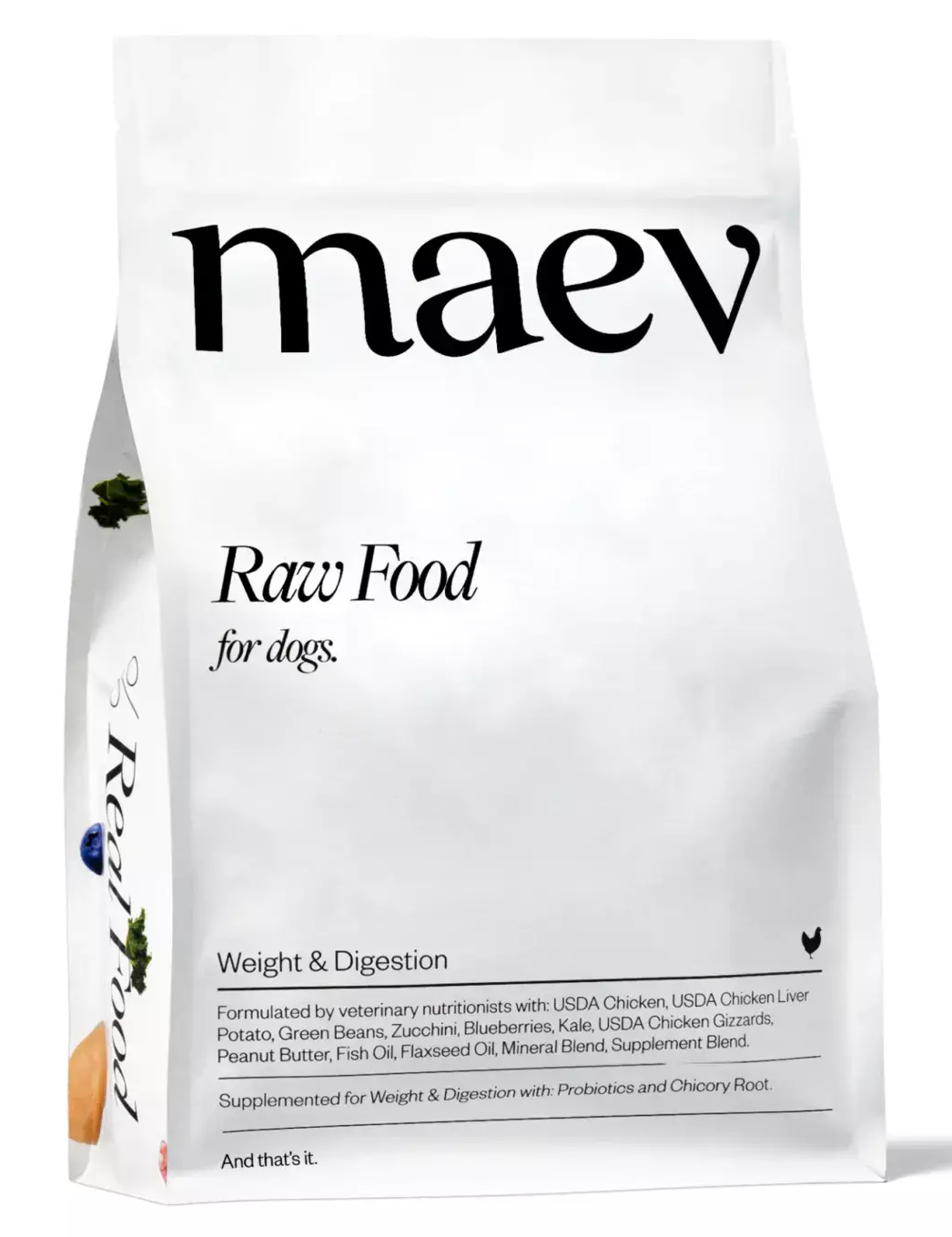
Maev Whole Ingredient Food
1849 reviews
|View All Dog Food without Lamb Bone
Other Dog Foods with Lamb Bone
Load More
Check if your dog food has Lamb Bone in it.
Dog Food Brands that use Lamb Bone
Load More
Explore Other Ingredients:
Maev Whole Ingredient Food
No Additives, No Preservatives, 100% Human Grade.
